


Wild Black Walnuts in the Hull
Price range: $47.25 through $787.50
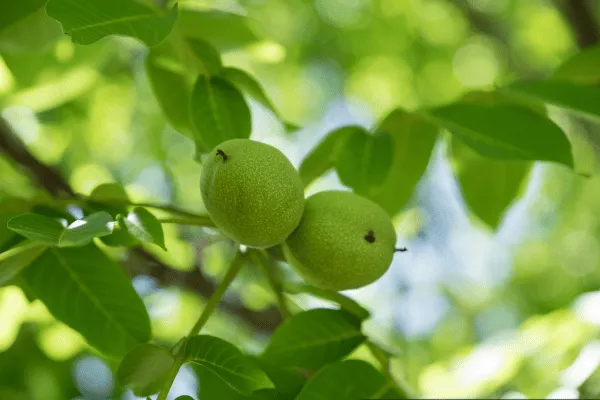
Handy Farms’ Organic Wild Black Walnuts in the Green Hull come from oak forests near California’s Sacramento River. They are grown wild and harvested by hand, far from any exposure to pesticides or city toxins. These nutrient-dense walnuts vary in texture and size depending on the time of year, offering a bold, earthy flavor straight from nature. Handy Farms is committed to purity, nutrition, and ecological balance, making our wild black walnuts sustainable and nutritious.
Total: $0.00
Organic Wild Black Walnuts in the Green Hull
Our Organic Wild Black Walnuts in the Green Hull are commonly used for black walnut tinctures and other black walnuts products. These wild blacks walnuts are a part of our sustainable agricultural efforts foraged from the native oak woodlands along the Sacramento River in Northern California. These black walnuts grow wild, far from urban pollution or commercial farming. These black walnuts are never exposed to pesticides, herbicides, or synthetic fertilizers. Rich in antioxidants and nutrients, they are a true superfood. They also have a bold, earthy flavor, making them an exceptional ingredient for both traditional and modern recipes. Whether cracked open and eaten raw, aged for their medicinal properties, or used for dye and natural crafts, these green-hulled walnuts offer a connection to the land and a promise for more healthy and sustainable living.
Depending on the month that you order, the walnuts will be at a different stage in their development. Here’s what you can expect throughout the season:
-
May – The walnuts are about the size of marbles. At this stage, both the hull and shell inside are soft enough to slice through easily with a knife.
-
June (by mid-month) – The walnuts reach about golf-ball size. By this point, the shell inside has hardened enough that it can no longer be sliced through.
-
July to August – The nut continues maturing inside the hard shell, which remains enclosed within the thick green hull.
-
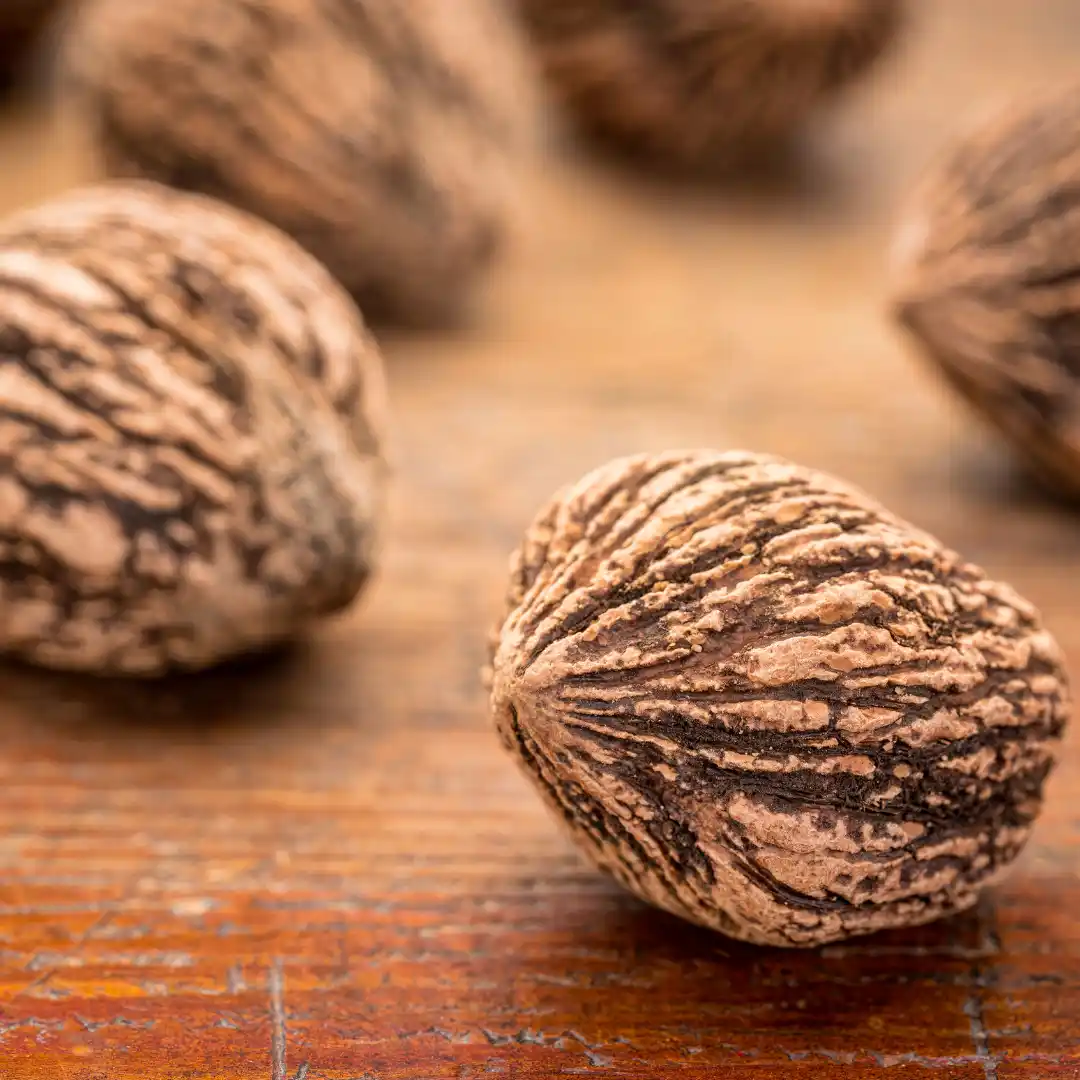
September to October – The green hull begins to yellow, then brown, and eventually darkens to black as the nut fully ripens inside. Unlike English walnuts, the hull does not fall off but instead continues to age around the nut.
You can order black walnuts in the green hull at any stage of the season. Be aware that what you receive depends on the natural time of harvest. Some customers love the early-season tenderness, while others wait for the bold, mature flavor of late-fall nuts.
About The Farm:
Handy Farms is owned and operated by the property’s residents: The Handy Family. Clayton Handy had a dream to create a fully sustainable farm. He dreamed of having his food products free from pesticides, and herbicides, and as nutritionally dense as possible. The result is an agricultural system that preserves the health of the farmer, consumer, and mother nature.
Organic Wild Black Walnuts in the Green Hull – FAQ
What are Organic Wild Black Walnuts in the Green Hull?
Our Organic Wild Black Walnuts in the Green Hull are foraged from the native oak woodlands along the Sacramento River in Northern California. These wild walnuts grow naturally, without pesticides, herbicides, or synthetic fertilizers, making them a nutrient-dense and sustainable superfood.
What are Black Walnuts in the Green Hull used for?
They are commonly used to make:
-
Black walnut tinctures (for digestive and wellness purposes)
-
Traditional remedies and herbal medicine
-
Cooking (bold, earthy flavor for baked goods, sauces, or savory dishes)
-
Natural dye and crafts (the hulls produce a rich, deep color)
Are Black Walnuts healthy?
Yes. Wild black walnuts are rich in:
-
Antioxidants to support immune health
-
Omega-3 fatty acids for heart and brain health
-
Protein and fiber for lasting energy
-
Minerals like magnesium, potassium, and iron
They’re considered a superfood because of their nutrient density.
How do Black Walnuts taste?
Black walnuts have a bold, earthy, and slightly smoky flavor that’s stronger than English walnuts. Many chefs and bakers use them to add depth to both sweet and savory recipes.
How do I cook or bake with Black Walnuts?
-
Add to cookies, brownies, and cakes for a unique nutty flavor.
-
Mix into savory sauces, pesto, or grain dishes.
-
Crush and sprinkle over salads or roasted vegetables.
-
Use them raw for a strong, wild walnut taste.
Can you eat Black Walnuts raw?
Yes, you can crack them open and eat the nutmeat raw. However, many people prefer them roasted to bring out a slightly sweeter, toasty flavor.
How do the Green Hulls change throughout the season?
-
May – Small, marble-sized walnuts with soft hulls and shells (easy to slice).
-
June – Golf-ball size; shells inside begin hardening.
-
July–August – Nuts mature inside the hard shell, enclosed in the green hull.
-
September–October – Hulls yellow, brown, and turn black as the nut fully ripens.
Depending on the month, the walnuts you receive will be in a different stage of development.
What stage of Black Walnuts should I order?
-
Early season (May–June): Soft and tender, ideal for fresh remedies and easy slicing.
-
Mid-season (July–August): Perfect for tinctures and crafts as the nut matures.
-
Late season (Sept–Oct): Fully ripened with bold flavor, great for eating, baking, or storing.
Are these walnuts sustainably harvested?
Yes. Handy Farms is a family-owned regenerative farm dedicated to sustainable agriculture. The walnuts are wild-foraged far from urban pollution or commercial farming, protecting the health of the land, farmer, and consumer.
How do Black Walnuts Compare vs Regular Walnuts
-
Flavor
-
Black Walnuts – Bold, earthy, slightly smoky flavor; much stronger and more distinct.
-
English Walnuts – Mild, buttery, and slightly sweet; more commonly used in everyday baking.
Nutrition
-
Black Walnuts – Higher in protein, antioxidants, and certain minerals like magnesium and potassium.
-
English Walnuts – Higher in omega-3 fatty acids, especially alpha-linolenic acid (ALA), making them excellent for heart health.
Growing & Harvesting
-
Black Walnuts – Grow wild across North America, often foraged rather than commercially cultivated. They are much harder to crack due to their thick shells.
-
English Walnuts – Grown commercially worldwide, bred for thinner shells and easier cracking.
Uses in Cooking
-
Black Walnuts – Best for bold recipes like rich desserts, artisan breads, savory sauces, and unique culinary experiments.
-
English Walnuts – Versatile and mild, perfect for everyday snacking, baking, and salads.
Sustainability
-
Black Walnuts – Foraged from wild trees, often pesticide-free and naturally regenerative.
-
English Walnuts – Farmed on large-scale orchards, sometimes using conventional farming practices.
For bulk pricing, email us at info@handyfarms.com
-
Additional information
| Weight | N/A |
|---|---|
| Weight | Green Black Walnut 3lbs, Unripe Black Walnuts in Season 5lbs, Wild Black Walnuts Unripe 10lbs, Unripe Black Walnuts Unripe 25lbs, Bulk Green Black Walnuts Unripe 50lbs |
Only logged in customers who have purchased this product may leave a review.
Related products
-

Raw Almond Butter 16 oz Monthly Subscription (Raw, Blanched, Organic)
From: $69.00 / month -
In-Shell Red Walnuts Quarterly Subscription (Raw, Unpasteurized)
From: $33.00 every 3 months -
Organic Walnuts (Raw, Unpasteurized) Quarterly Subscription
From: $48.00 every 3 months -
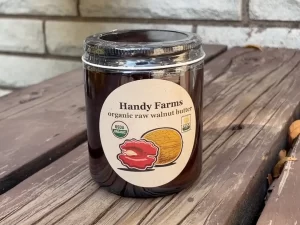
Organic Red Walnut Butter (Raw, Regeneratively California Grown, Unpasteurized)
$15.00
You may also like…
-
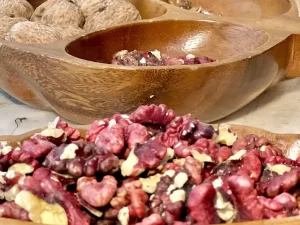
Organic Red Walnuts (Raw, Unpasteurized, Shelled)
Price range: $23.00 through $600.00 -
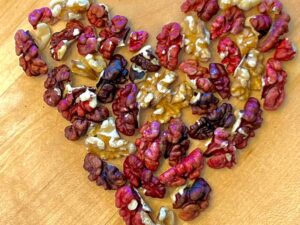
Shelled Walnuts: Organic Raw Chandler Walnuts & Organic Raw Red Walnuts (Unpasteurized)
Price range: $25.00 through $600.00 -
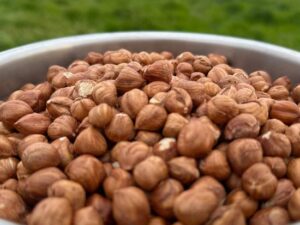
Shelled Hazelnuts (Raw Filbert Nuts Unpasteurized Organic USA Grown)
Price range: $46.00 through $240.00
Reviews
There are no reviews yet.