

Wet walnuts are a true seasonal delicacy. They’re only available fresh from the shell for a short time each year. At Handy Farms, we harvest them at their peak so you can enjoy their creamy texture, subtle sweetness, and exceptional nutritional value. But beyond the taste, many people ask: are wet walnuts good for you? The short answer is yes, and in more ways than one!
Wet Walnuts are Nutrient-Dense and Fresh From the Tree
In simple terms, wet walnuts are freshly harvested walnuts that haven’t been dried. Because they skip the drying process, they retain a lot of their natural moisture, tenderness, and — most importantly — delicate nutrients that can diminish during storage.
Here’s what makes them a nutritional powerhouse:
-
Heart-Healthy Fats – Wet walnuts are rich in plant-based omega-3 fatty acids (alpha-linolenic acid), which help support heart health and may reduce inflammation.
-
Antioxidants – They contain polyphenols and vitamin E, both of which help fight oxidative stress in the body.
-
Protein & Fiber – A satisfying snack that fuels your body while helping you feel full longer.
-
Mineral Support – Packed with magnesium, copper, manganese, and phosphorus — essential for bone health, energy production, and more.

Short Season, Big Benefits
One of the reasons wet walnuts taste so fresh is that they haven’t been sitting in storage. We harvest wet walnuts and ship them to your house immediately so that you can enjoy them just as nature intended. Since the vitamins, antioxidants, and oils are still at their peak, they’re more nutrient-dense. The wet walnut season is brief though, usually just a few weeks in the fall, so it’s worth savoring them while you can.
The Regenerative Farming Connection
At Handy Farms, our wet walnuts come from certified organic, regeneratively grown orchards. This approach means healthier soil, cleaner water, and stronger trees. All of these factors contribute to more delicious and nutrient-rich nuts. Choosing wet walnuts from regenerative farms isn’t just good for your body; it’s a decision that supports healthier ecosystems and sustainable agriculture.
Why Wet Walnuts Feel Different
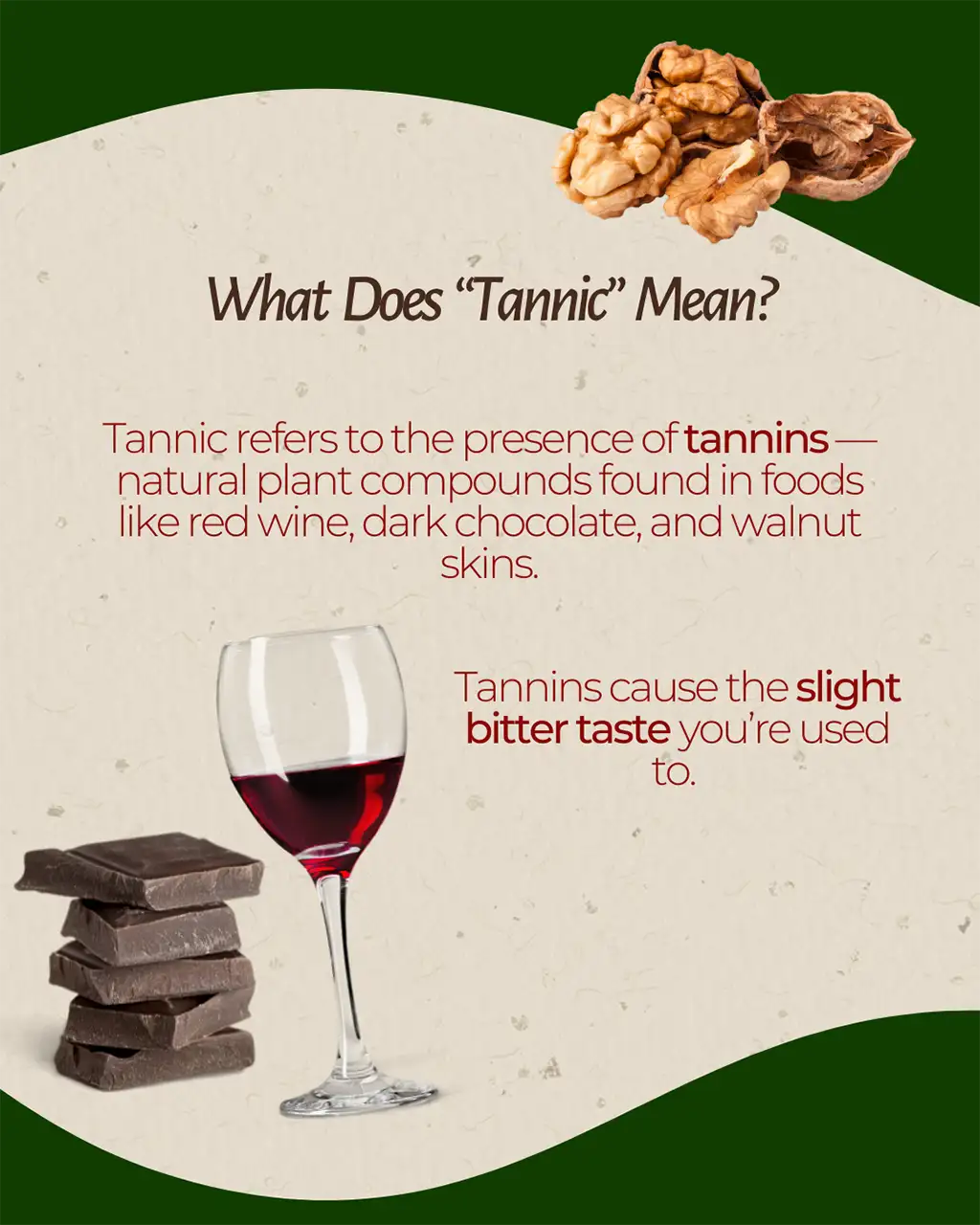
Because wet walnuts are softer and less tannic than dried walnuts, eating them is a fun and different experience. The tannins in walnut skins can cause bitterness and a dry-mouth sensation. In fresh nuts, and particularly wet walnuts, the tannins are milder, so you get a smoother, creamier bite without the strong aftertaste that walnuts often have. For many first-time tasters, it’s a complete walnut revelation.
What to Use Wet Walnuts For
Wet walnuts are versatile in the kitchen. Because of their fresh, soft texture, they work beautifully in both sweet and savory dishes. Here are a few ideas to get you inspired:
1. Snacking Straight from the Shell – Enjoy them plain to fully appreciate their delicate, milky flavor.
2. Baking – Use them in cakes, muffins, and breads where their softer texture blends seamlessly.
3. Salads – Toss them into fall salads with apples, pears, or roasted root vegetables for a seasonal twist.
4. Pasta & Grain Bowls – Add them for a creamy, nutty bite without overpowering other ingredients.
5. Homemade Nut Butter – Blend wet walnuts into a smooth, rich spread (best eaten fresh).
Recent Comments