

It seems like every food item these days has the option of being organic or not. Do walnuts specifically need to be organic? If you’re looking for high-quality, nutritious walnuts, here are a few things to consider before making your purchase.
Organic Walnuts vs Non-Organic Walnuts
Organic walnuts are grown without the use of synthetic fertilizers, pesticides, and other chemicals that may be found in non-organic products. Organic regenerative farmers, like Handy Farms, also practice sustainable farming methods and utilize natural soil amendments such as compost or manure to improve soil fertility and structure. Non-organic walnuts, on the other hand, have been grown with conventional farming methods that involve the use of synthetic fertilizers, pesticides, and other chemicals.
Two Walnut Farmers transition their family to an organic farm and share some of the differences.
Nutritional Quality of Organic Walnuts
When it comes to nutritional quality, organic and non-organic walnuts are fairly similar. The real difference comes with regenerative organic walnuts, which are much more nutrient-dense. That’s because regenerative farming focuses on restoring nutrients to the soil and strengthening the surrounding ecosystem. The nutrients in the soil result in healthier, more nutrient-rich nuts.
Walnuts, especially regenerative organic walnuts, are an excellent source of healthy fats, including omega-3 fatty acids that are essential for brain health. They also contain minerals like manganese and copper, which support strong bones, along with fiber and plant-based protein to help you feel full and energized for longer.
What is the Environmental Impact of Growing Walnuts?
The environmental impact of growing organic vs non-organic walnuts is an important factor to consider. Organic, regenerative farms have less negative impacts on the environment because they don’t rely on synthetic inputs such as fertilizers or pesticides that can contaminate groundwater or soil. Additionally, they include diverse crop rotations and cover crops which help reduce soil erosion while improving water quality in nearby streams and rivers. On the other hand, conventional farms often rely heavily on mono-cropping practices which can deplete topsoil nutrients over time and lead to increased runoff of chemicals into surrounding waterways. This is something that needs to be taken into consideration when weighing your options for buying walnuts.
Do Walnuts Need to be Organic?
Choosing whether or not to buy organic walnuts ultimately depends on your preferences when it comes to nutritional quality, environmental impact, and cost considerations. Regenerative, organic walnuts offer more nutritional value than non-organic walnuts. Regenerative walnuts have a positive environmental impact, avoiding synthetic chemicals and replenishing the earth with healthy, natural nutrients. If you’re ready to try regenerative organic walnuts and experience the difference, explore Handy Farms’ walnut products!
Of course, we at Handy Farms encourage you to try regenerative organic walnuts. We have seen firsthand how it benefits the environment. Even better, our family has experienced what a difference it makes on health when we choose organic nuts! We have noticed the energy boost and health benefits unfold as we eat nutrient-dense food. For more information on this topic, feel free to give us a call at 530-377-6487!
Learn More About Organic Products:
Related products
-

Raw Organic Red Walnut with shell & English Walnut with shell
Price range: $22.00 through $550.00 -
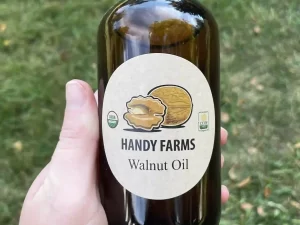
Cold Pressed Organic Walnut Oil (Raw, Extra Virgin)- 8 oz.
$15.99 -
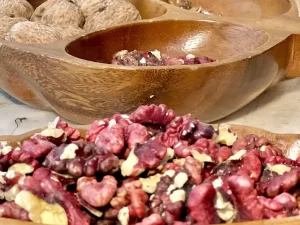
Organic Red Walnuts (Raw, Unpasteurized, Shelled)
Price range: $23.00 through $600.00 -
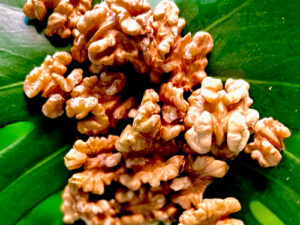
Organic Walnuts (Shelled, English/Chandler, Raw, Unpasteurized)
Price range: $49.00 through $1,120.00