

Recently, we helped out a customer who wanted to order green walnuts, not for eating, but for medicinal uses. This fascinated us, and with a little research, we were astounded by what we found!
From Europe to the Middle East, herbalists have used green walnut skins to create tinctures, salves, teas, and natural dyes. Today, scientists are beginning to study many of the compounds responsible for these traditional uses.
Let’s take a closer look at why green walnut skins have been treasured for generations.
What Are Green Walnut Skins?
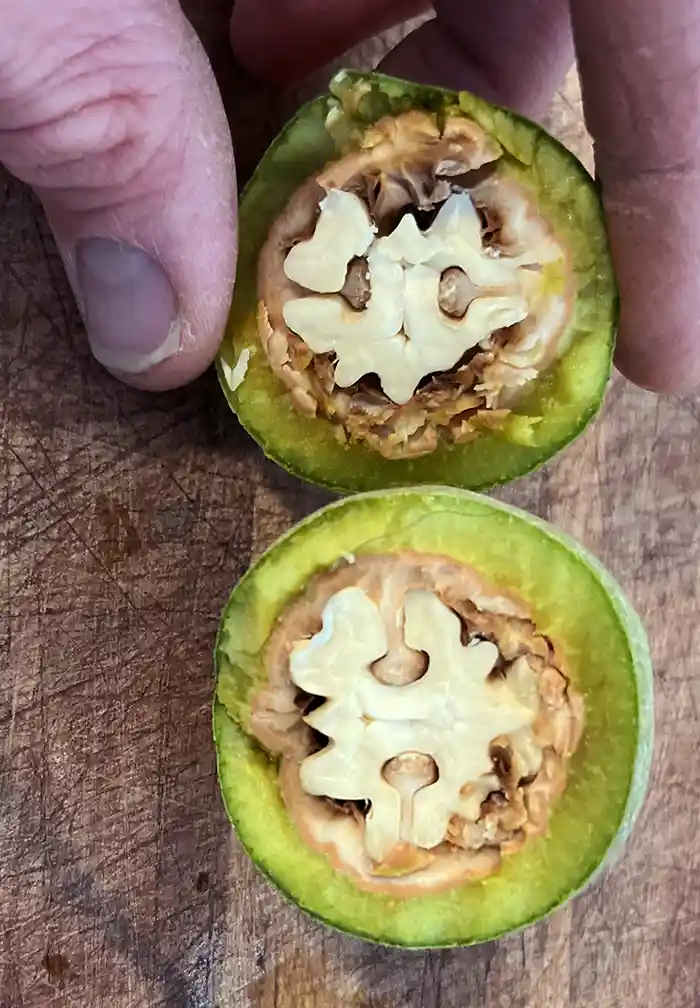
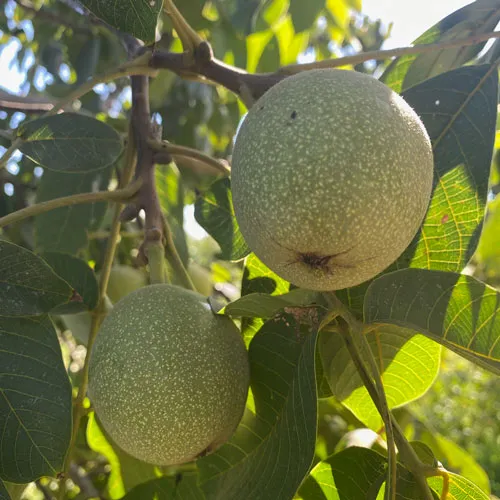
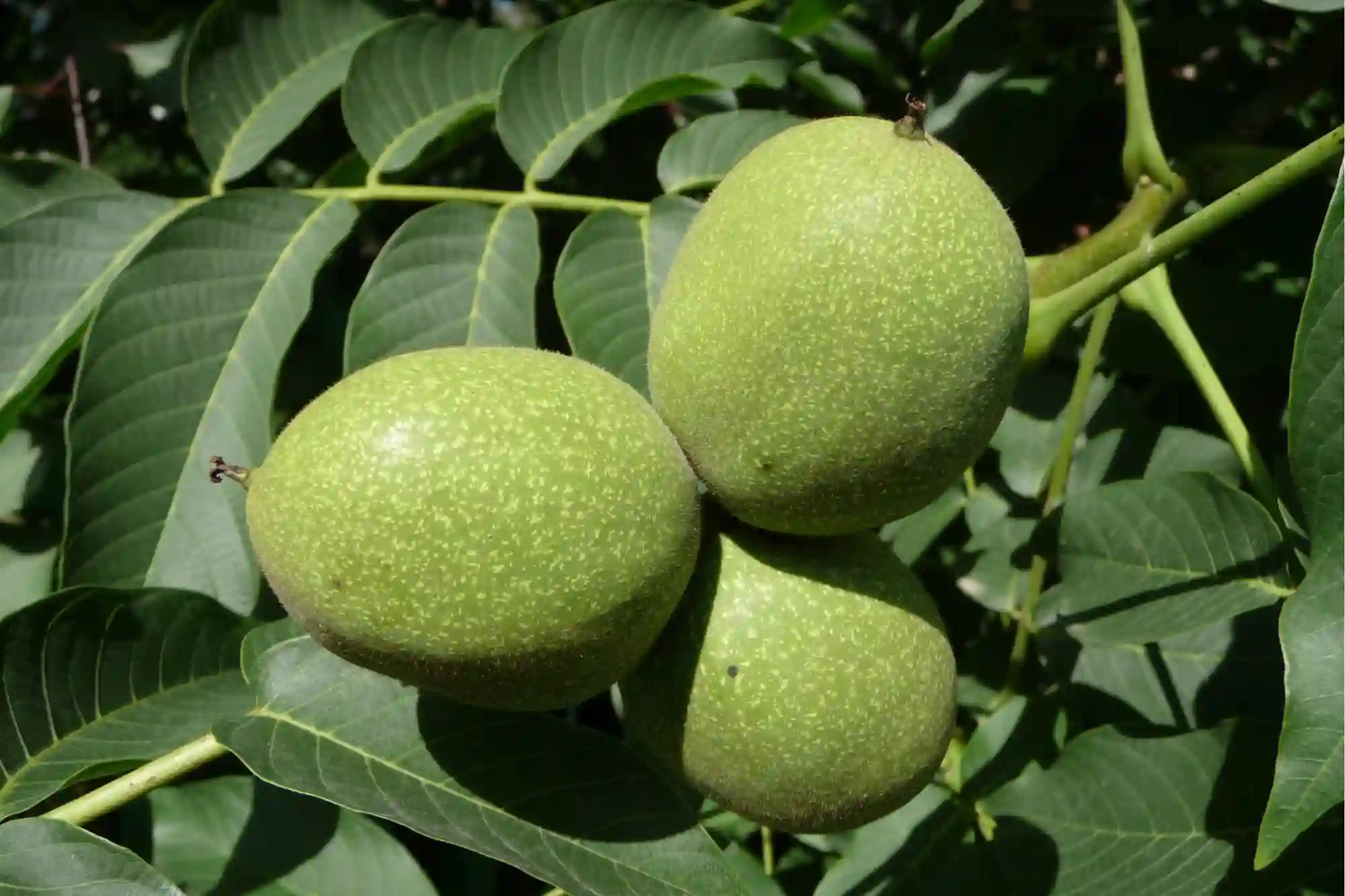
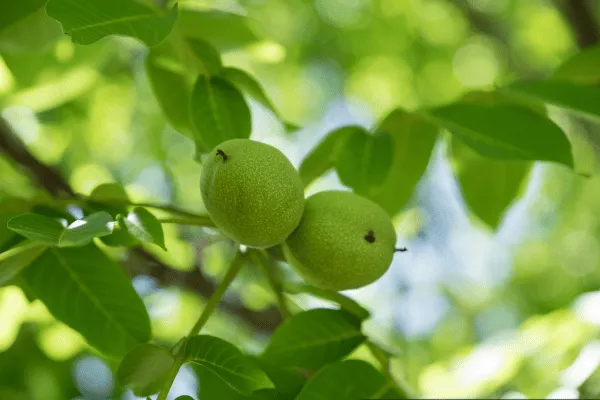
The green outer covering of a walnut is known as the hull or husk. As the walnut matures, this protective layer eventually dries, darkens, and splits open, revealing the familiar hard shell underneath.
When harvested young, however, the hull is tender, vibrant green, and rich in beneficial plant chemicals.
Among the naturally occurring compounds found in green walnut hulls are:
- Polyphenols
- Flavonoids
- Tannins
- Vitamin C
- Juglone
- Various antioxidant compounds
A Long History in Traditional Herbal Medicine
For hundreds of years, green walnut hulls have been used in traditional medicine throughout many parts of the world such as:
- Digestive tonics
- Skin washes
- Folk remedies for maintaining overall wellness
While these historical uses are fascinating, it’s important to recognize that traditional use does not necessarily prove effectiveness. Modern scientific research is helping investigate many of these longstanding claims.
Rich in Antioxidants
One of the most studied qualities of green walnut hulls is their high antioxidant content.
Antioxidants help protect cells from oxidative stress caused by unstable molecules known as free radicals. Although oxidative stress is a normal part of life, excessive amounts may contribute to aging and various chronic diseases.
Research has shown that walnut hulls contain significant levels of polyphenols and flavonoids—natural compounds recognized for their antioxidant activity.
Because of this, green walnut hull extracts continue to be studied for their potential role in supporting overall cellular health.
Naturally Rich in Plant Compounds
Green walnut hulls contain several bioactive compounds that researchers continue to investigate.
One of the most well-known is juglone, a naturally occurring compound unique to walnut trees.
Laboratory studies have explored juglone’s antimicrobial and antioxidant properties, though much more human research is needed before any medical conclusions can be made.
The hulls also contain tannins, which have long been valued for their natural astringent properties.

Traditional Support for Healthy Skin
Historically, diluted preparations made from green walnut hulls were sometimes applied externally to support healthy skin.
Supporting Digestive Wellness
Many traditional herbal preparations incorporated green walnut hulls into digestive tonics.
While these practices have been passed down for generations, modern clinical evidence supporting digestive benefits remains limited.
Researchers continue studying how the polyphenols found in walnuts may interact with the gut microbiome and overall digestive health.
Recent Comments