
If you’ve just ordered some freshly harvested raw olives from Handy Farms or grabbed a batch from the farmers’ market, you may wonder: how do you turn these bitter, unprocessed olives into something delicious and edible? The answer is curing. Curing removes bitterness, improves flavor, and preserves the olive for eating. Here’s how to do it at home—with methods, tips, and variations.
Raw olives straight from the tree are extremely bitter due to high levels of oleuropein, a naturally occurring phenolic compound. Curing helps leach out these compounds, mild the flavors, and create the savory, briny, elegant olives you recognize in dishes and jars.
Curing also gives you control over flavor: you can make olives salty, tangy, herb-infused, smoky, or mild depending on your preferences.
What You’ll Need
Here are basic tools & materials you’ll want to have ready:
-
Raw, fresh olives (green or black, e.g. Sevillano)
-
Clean food-grade buckets or jars (glass, ceramic, or food-safe plastic)
-
Non-iodized salt
-
Water (preferably non-chlorinated)
-
Vinegar (optional, for some methods)
-
Herbs, citrus peel, garlic, or spices (optional flavoring agents)
-
A cool, dark place for storage
Three Common Olive Curing Methods
Each method has pros and cons. You can experiment to see which flavor and texture you prefer.
1. Water Curing (Brine-less / Simple Water Method)
-
Place olives in a container and cover with water.
-
Change the water daily (or every 12 hours) for 7–14 days (or longer, depending on olive variety).
-
Taste periodically; once bitterness is reduced satisfactorily, move to a brine or marinade.
-
Finish by soaking olives in a salt brine (e.g. 10% salt by weight) for a week or more.
Pros: Simple, no brine buildup, good for mild flavor.
Cons: Takes time, lots of water changes, milder final taste.
2. Brine Curing (Salt + Water)
-
Dissolve salt in water (typical brine concentration: 8–12% salt by weight)
-
Submerge olives fully; use a weight (like a plate) to keep them underwater
-
Replace or top off with fresh brine occasionally
-
Fermentation might occur (bubbling) — that’s a good sign
-
After several weeks to months, taste until the bitterness is gone
-
Optional: once cured, rinse lightly and move to a flavored olive marinade
Pros: Classic, deep flavor, works for many olive types.
Cons: Takes longer, needs monitoring, brine changes required.
3. Lye Curing (Caustic Alkali Method)
(Caution: this method uses food-grade lye and handling must be done with gloves and care.)
-
Prepare a dilute lye solution (e.g. 0.5–1% NaOH)
-
Soak olives in the lye solution for a few hours, stirring occasionally
-
Rinse thoroughly with clean water multiple times
-
Transfer to salt brine for fermentation/soaking
-
Monitor pH and water clarity; once bitterness is gone, move to a final brine/marinade
Pros: Fast, effective for tougher olive varieties
Cons: Risky handling, must rinse thoroughly, removes more flavor if overdone
Flavoring & Finishing Touches
Once bitterness is mostly removed, you can infuse your olives with flavor:
-
Add garlic cloves, citrus peel (lemon or orange), herbs (rosemary, thyme, oregano)
-
Use vinegar or wine to add tang
-
Smoke or roast lightly before brining for a smoky twist
-
After curing, store olives in olive oil + brine mixture for presentation & preservation
Storage & Shelf Life
-
Once cured, olives should be stored in sterile jars with brine or an oil-brine mix
-
Keep them in a cool, dark place (e.g. a cellar or refrigerator)
-
Properly cured olives can last 6–12 months or more, depending on salinity and storage conditions
-
Always use clean utensils to avoid contamination
Defatted Almond Flour – Almond Powder Protein Nut Flour Organic Regenerative California Almonds
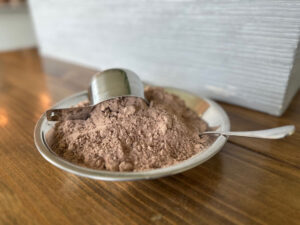
At Handy Farms, nestled in the heart of California, we take pride in our commitment to sustainable and regenerative farming practices. Our cold pressed almond powder is a testament to that dedication — a clean, nutrient‑dense high protein flour made from the finest Organic Nonpareil almonds grown on our regenerative farm.
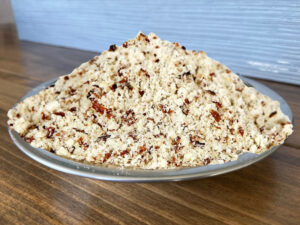
Unlike traditional almond flour, our defatted almond powder is crafted from blanched almonds that have had most of their natural oils gently pressed out. This creates a lighter, ultra‑fine powder with significantly higher protein content, lower fat, and exceptional versatility. Each batch is cold‑pressed and carefully milled to preserve the natural goodness of the almonds, offering a wholesome, powerful alternative to conventional flours.
Organic Almond Powder
Our Defatted Almond Powder isn’t just a baking ingredient — it’s a performance‑focused, nutrient‑rich flour that brings a clean, mild almond flavor to a wide range of recipes. Whether you're creating high‑protein breads, pancakes, cookies, tortillas, or using it as a thickening agent, this gluten‑free flour elevates your cooking with its smooth texture and impressive nutritional profile.
Perfect for gluten‑free, paleo, keto, and low‑carb lifestyles, defatted almond powder allows you to enjoy your favorite foods with more protein, fewer carbs, and a lighter, more absorbent flour that blends beautifully into both sweet and savory dishes.
Defatted Almond Flour / Powder Price
What sets our defatted almond powder apart is its superior nutrition. By removing most of the natural oils, this flour becomes a concentrated almond protein powder, packed with plant‑based high protein nut flour, essential minerals, and clean energy. Almonds are naturally rich in Vitamin E, magnesium, and fiber — and our defatted process enhances their protein density while keeping their whole‑food integrity intact.
Experience the clean, authentic flavor and the peace of mind that comes from choosing a product rooted in care for the earth and your well‑being.
About the Farm
Handy Farms is owned and operated by the property’s only residents: the Handy Family of California. Clayton Handy dreamed of creating a fully sustainable farm — one free from pesticides, herbicides, and built around nutrient‑dense food grown in harmony with nature. The result is an agricultural system that protects the health of the farmer, the consumer, and the land itself.
All products grown and sold by Handy Farms come from regenerative agriculture systems. Clayton also consults for other small organic farms and distributes premium nuts like the Nonpareil almonds used to make this defatted almond powder. Regenerative farming builds a thriving underground ecology of fungi and microbes that naturally feed the crop, increase soil organic matter, improve water retention, and pull carbon from the atmosphere into the soil — where it becomes a vital building block for plant growth.
For bulk pricing, email us at info@handyfarms.com
Frequently Asked Questions
Q: What is Handy Farms Defatted Almond Powder?
A: It’s a premium, organic Almond Protein Powder made from blanched Nonpareil almonds grown in California. Cold‑pressed to remove most natural oils, it’s ultra‑fine, smooth, and perfect for high‑protein baking, cooking, and nutrient‑dense recipes.
Q: How is this almond powder processed?
A: Our almonds are blanched, cold‑pressed to remove oils, and finely milled into a clean, absorbent powder. Every batch is produced using regenerative farming practices, ensuring purity, sustainability, and exceptional nutritional value.
Q: Is Handy Farms Defatted Almond Powder gluten‑free and diet‑friendly?
A: Yes — it’s 100% gluten‑free and ideal for paleo, keto, low‑carb, and high‑protein diets. With more protein and less fat than regular almond flour, it’s a powerful whole‑food alternative to traditional flours and processed protein powders.
Q: What makes Handy Farms Defatted Almond Powder different from other almond flours?
A: Our powder is sourced from a small, family‑run organic farm and produced using regenerative agriculture. This ensures superior flavor, higher protein content, and a positive environmental impact through improved soil health and carbon sequestration.
Q: How can I use defatted almond powder in my cooking and baking?
A: It’s incredibly versatile. Use it in high‑protein muffins, cookies, pancakes, breads, tortillas, crackers, or as a thickener in sauces and soups. Its fine texture also makes it excellent for coatings, crusts, and recipes requiring structure and absorbency.
Q: Why choose Handy Farms Defatted Almond Powder?
A: Choosing Handy Farms means supporting regenerative farming, soil health, environmental stewardship, and family‑run agriculture. Every bag reflects care, nutrition, and respect for the earth — from our orchard to your kitchen.
Q: Where does Handy Farms Defatted Almond Powder come from?
A: It’s grown and milled in California using regenerative practices that increase biodiversity, builds soil, and ensures every product is as nutritionally dense as possible.
Additional information
| Weight | N/A |
|---|---|
| Weight | 2 lbs Organic Blanched Peeled Almonds Flour (Blanched, Gluten Free, Regenerative), 5 lbs Blanched Almond Flour (Gluten Free, Organic, Grown Regeneratively, 10 lbs Bulk Blanched Almond Flour (Gluten Free, Organic, Regenerative in California), 25 lbs Wholesale Blanched Almond Flour (Gluten Free, Certified Organic, Regenerative, California Grown, 250 lbs BULK Blanched Almond Flour |
Only logged in customers who have purchased this product may leave a review.
Related products
-

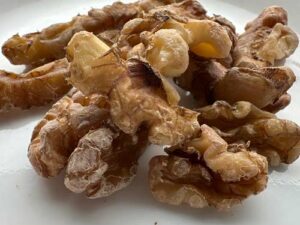
Sprouted Walnuts (Raw, Organic, Quarterly Subscription)
From: $25.00 every 3 months -
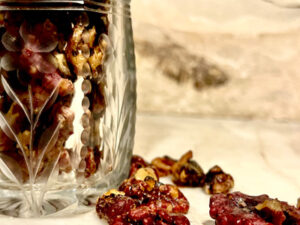
Maple Glazed Organic Red Walnuts (Raw, Unpasteurized)
Price range: $30.00 through $720.00 -
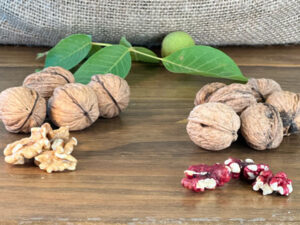
Halves Walnut (Red walnut halves & Chandler walnut halves combination package unpasteurized)
Price range: $27.50 through $660.00
Reviews
There are no reviews yet.