
A Handy Farms Guide to Better Baking and Cooking
When most people think of flour, they picture wheat, all‑purpose, or other grain‑based options. But nut flours — especially those crafted from regeneratively grown nuts — offer a completely different experience in flavor, nutrition, and performance. They’re naturally high‑protein flours, making them ideal for anyone looking to boost the protein content of their baked goods, pancakes, pizza dough, or bread.
At Handy Farms, we produce four distinct nut flours: walnut, pecan, almond, and hazelnut flour. Each one behaves differently from grain flour and opens the door to high‑protein recipes that are richer, more flavorful, and more nutrient‑dense.
1. Nut Flours Are Naturally High‑Protein
Grain flours are mostly starch. Nut flours are made from whole nuts, which means they’re naturally rich in:
-
Protein
-
Healthy fats
-
Fiber
-
Vitamins and minerals
This makes them ideal for:
-
High‑protein pancakes
-
High‑protein bread flour blends
-
High‑protein pizza dough
-
High‑protein baking mixes
If you’re trying to increase protein without using synthetic powders, nut flours are the cleanest, most natural option.
2. No Gluten — Different Structure
Grain flours rely on gluten for rise and elasticity. Nut flours contain no gluten, so they behave differently:
-
They don’t rise on their own
-
They create tender, moist textures
-
They need binders like eggs, flax, or tapioca
This makes them perfect for high‑protein bread flour blends, where you want nutrition and flavor, not just structure.
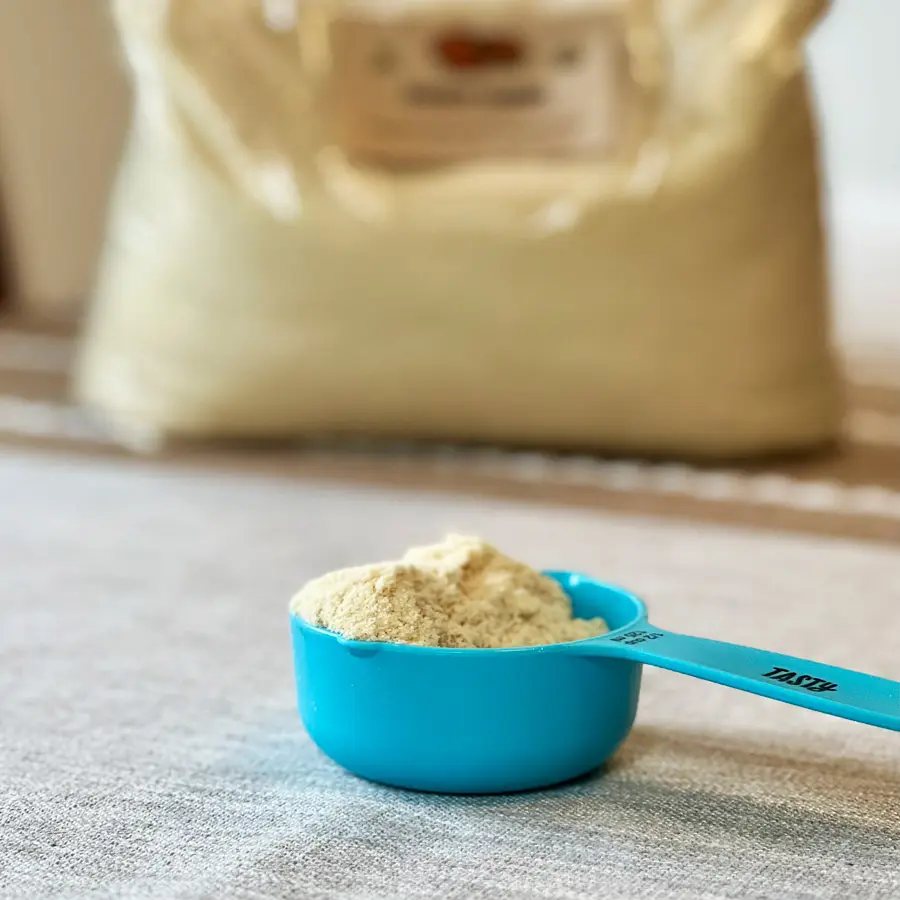

Walnut Flour
Walnut flour is a high‑protein flour with a deep, earthy flavor. It’s perfect for:
-
High‑protein brownies
-
High‑protein pancakes
-
Savory coatings
-
Protein‑boosted quick breads
It adds moisture and richness that grain flours can’t match.
Pecan Flour
Pecan flour is naturally sweet, buttery, and delicate, making it perfect for:
- Cookies
- Muffins
- Pancakes
- Pie crusts
It behaves differently from wheat flour — pecan flour adds softness and moisture, not structure.

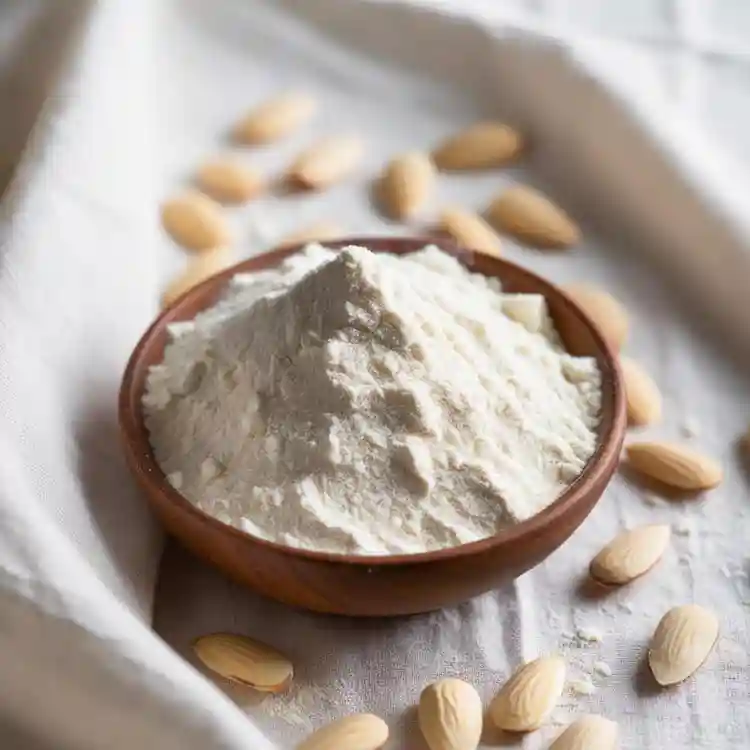
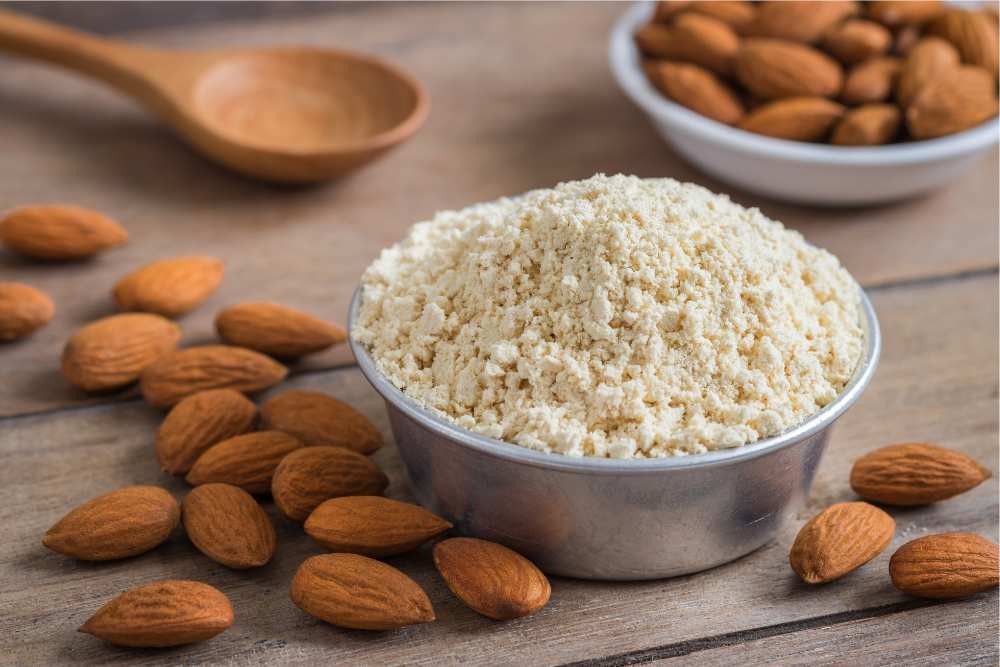
Almond Flour
Almond flour is the most versatile nut flour, with a light, clean, slightly sweet flavor. It’s great for:
- Cakes and cupcakes
- Macarons
- Breading and coatings
- Low‑carb baking
- Thickening sauces
Compared to grain flour, almond flour produces a soft, moist texture and browns beautifully due to its natural oils.
Hazelnut Flour
Hazelnut flour offers a warm, roasted, gourmet flavor that pairs beautifully with chocolate and fruit. Use it for:
- Cookies
- Tarts
- Pastries
- Waffles
- Savory crusts
Hazelnut flour adds richness and aroma that grain flours simply can’t match.

How Nut Flours Perform in Recipes
Nut Flours:
-
Add moisture
-
Create tenderness
-
Provide flavor
-
Require binders (eggs, flax, tapioca, etc.)
-
Work best in quick breads, cookies, cakes, coatings, and savory blends
Grain Flours:
-
Provide structure
-
Create rise
-
Offer elasticity
-
Work best in breads, pastries, and recipes needing gluten
Which Flour Should You Choose?
If you want:
-
Structure and rise → Grain flour
-
Moisture, richness, and flavor → Nut flour
-
Gluten‑free baking → Nut flour
-
Nutrient‑dense recipes → Nut flour
-
Gourmet flavor → Hazelnut or walnut flour
-
Light sweetness → Almond or pecan flour
Nut flours don’t replace grain flours — they open up a new world of cooking possibilities.
Recent Comments