
What’s the Difference between organic, regenerative, and conventional agriculture?
When you pick up a bag of walnuts, a bottle of olive oil, or fresh seasonal produce, the farming method behind it tells a story. It’s important to ask not only what you’re eating but how it was grown. At Handy Farms, we believe the way food is produced has a lasting impact on our health, our communities, and the planet itself.
But with so many farming terms out there, it can be confusing. Let’s explore each method.
Conventional Agriculture
Conventional farming, often called “industrial agriculture,” is the dominant system today. It prioritizes high yields and efficiency through chemical fertilizers, pesticides, monocropping, and often genetically modified seeds. While this approach has provided large-scale food production for decades, it comes with significant costs:
-
Soil degradation: Heavy tilling and chemical inputs strip the soil of life and nutrients.
-
Chemical residues: Pesticides and herbicides can remain on food and run off into waterways.
-
Reduced biodiversity: Monocropping limits ecological diversity, making farms more vulnerable to pests and climate shifts.
Conventional methods treat soil as a medium to hold crops rather than a living ecosystem that sustains life.
Organic Agriculture
Organic farming grew out of concern for healthier food and safer farming practices. Organic certification prohibits synthetic pesticides, herbicides, and GMOs, and emphasizes natural fertilizers like compost and manure. Benefits include:
-
Cleaner food: Free from most synthetic chemicals.
-
Better soil care: More crop rotation and natural amendments are often used.
-
Animal welfare: In organic systems, livestock are raised without growth hormones or routine antibiotics.
Organic agriculture is a step forward from conventional farming. However, organic standards don’t always guarantee soil restoration or carbon sequestration. Some organic farms still rely on monocropping and large-scale practices that can strain ecosystems.
Regenerative Agriculture:
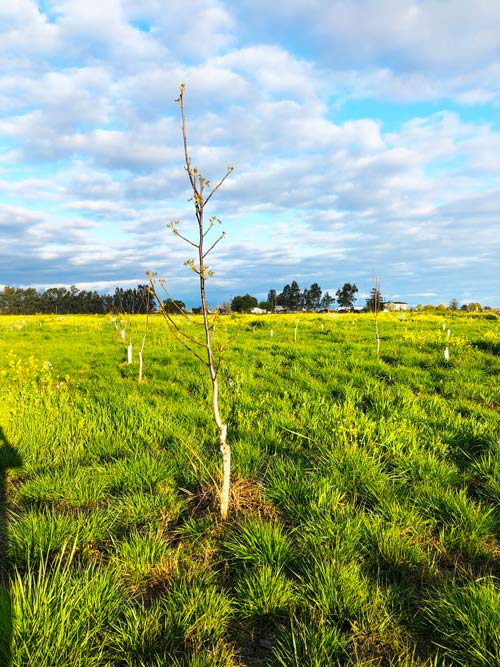
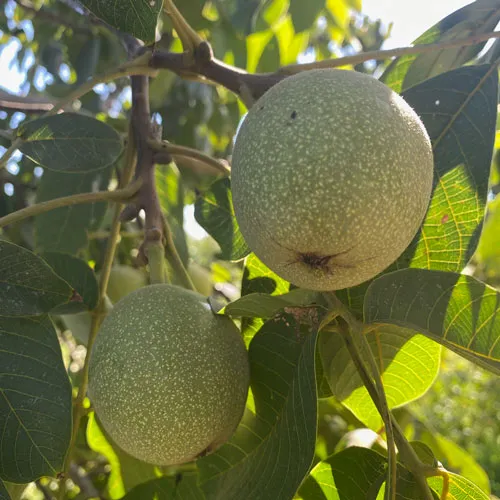
At Handy Farms, we practice regenerative organic agriculture. This type of farming not only avoids harm but actively restores the land. Regenerative farming uses some practices from indigenous times that rebuild soil, capture carbon, and support biodiversity.
Key regenerative principles include:
-
Soil regeneration: Using cover crops, compost, and reduced tilling to restore soil life.
-
Biodiversity: Integrating multiple crops, livestock, and pollinator habitats to create resilience.
-
Water cycles: Building healthy soils that hold water naturally, reducing irrigation needs and runoff.
-
Carbon drawdown: Healthy soils capture and store atmospheric carbon, helping mitigate climate change.
-
Human health: Food grown in living soil carries more nutrients, healthier fats, and better flavor.
Regenerative farming seeks to improve and heal ecosystems while producing nutrient-dense food.
Should You Choose Regenerative Products?
When you choose food grown on regenerative organic farms, you’re supporting your own health and investing in the health of the planet. Studies show that food grown in living soil contains more minerals, antioxidants, and healthier fats.
We’re asking you to support regenerative organic farming and help reduce reliance on chemicals in our food system, support pollinators and wildlife, and restore carbon and nutrients to the soil.
The Handy Farms Commitment
Handy Farms partners with other small family farms that share our values of organic and regenerative farming. Together, we’re proving that it’s possible to grow food in a way that’s good for the soil, the planet, and future generations.
Conventional agriculture feeds today at the expense of tomorrow. Organic agriculture protects people from chemicals but doesn’t always restore the land. Regenerative agriculture does both by feeding us and healing the earth.
Recent Comments